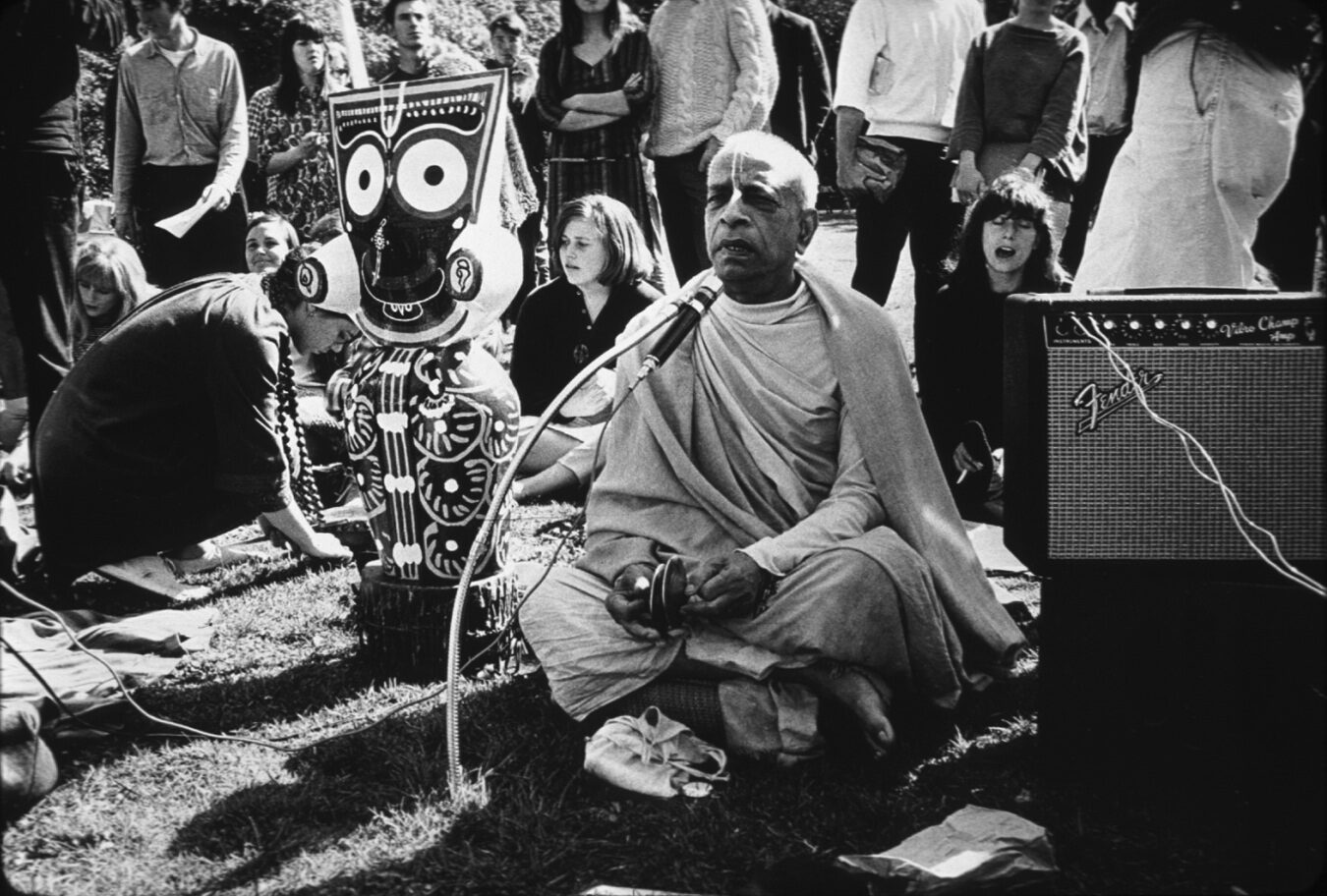
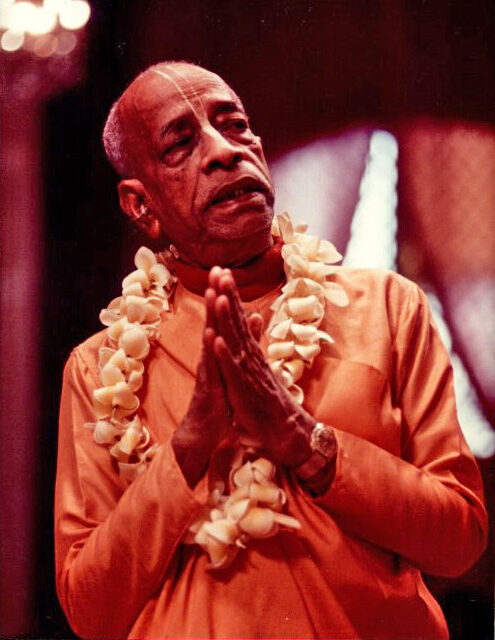
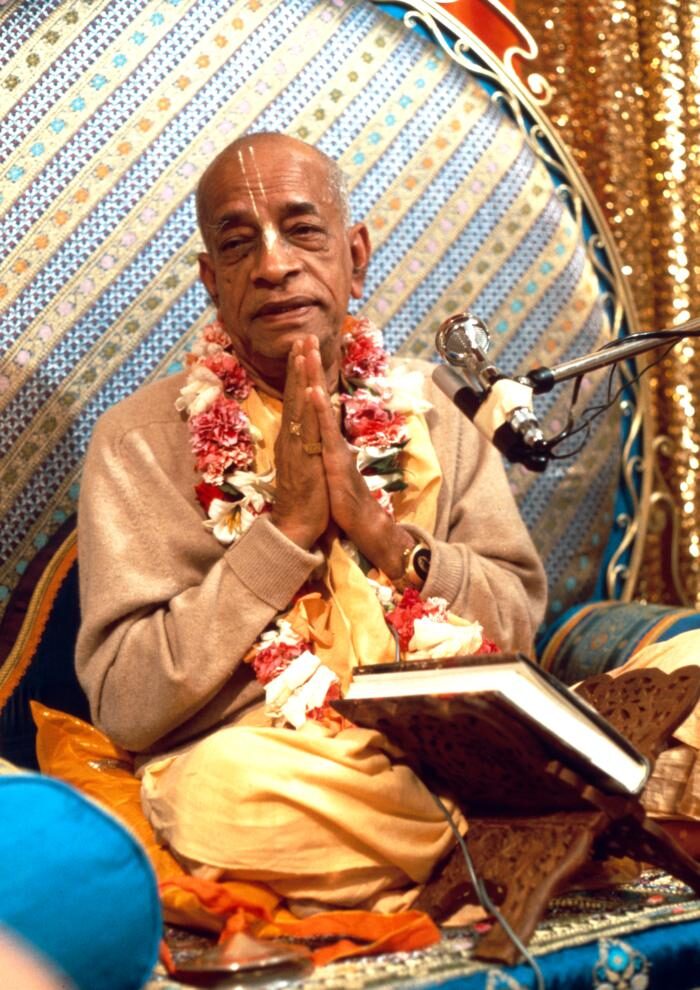
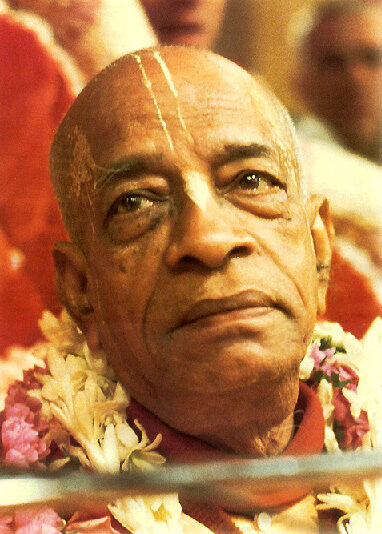
Srila Prabhupada
Founder-Acharya of the International Society for Krishna Consciousness
Also known as His Divine Grace A.C. Bhaktivedanta Swami Prabhupada, Abhay Charan De, Abhay Charanaravinda, A.C. Bhaktivedanta, Bhaktivedanta Swami
“I have simply tried to present Krishna as He is understood from the pages of Bhagavad-gita and Srimad-Bhagavatam. It is not my personal contribution. If it has become successful, it is because of the transcendental nature of the subject matter.”
His Divine Grace A.C. Bhaktivedanta Swami Prabhupada
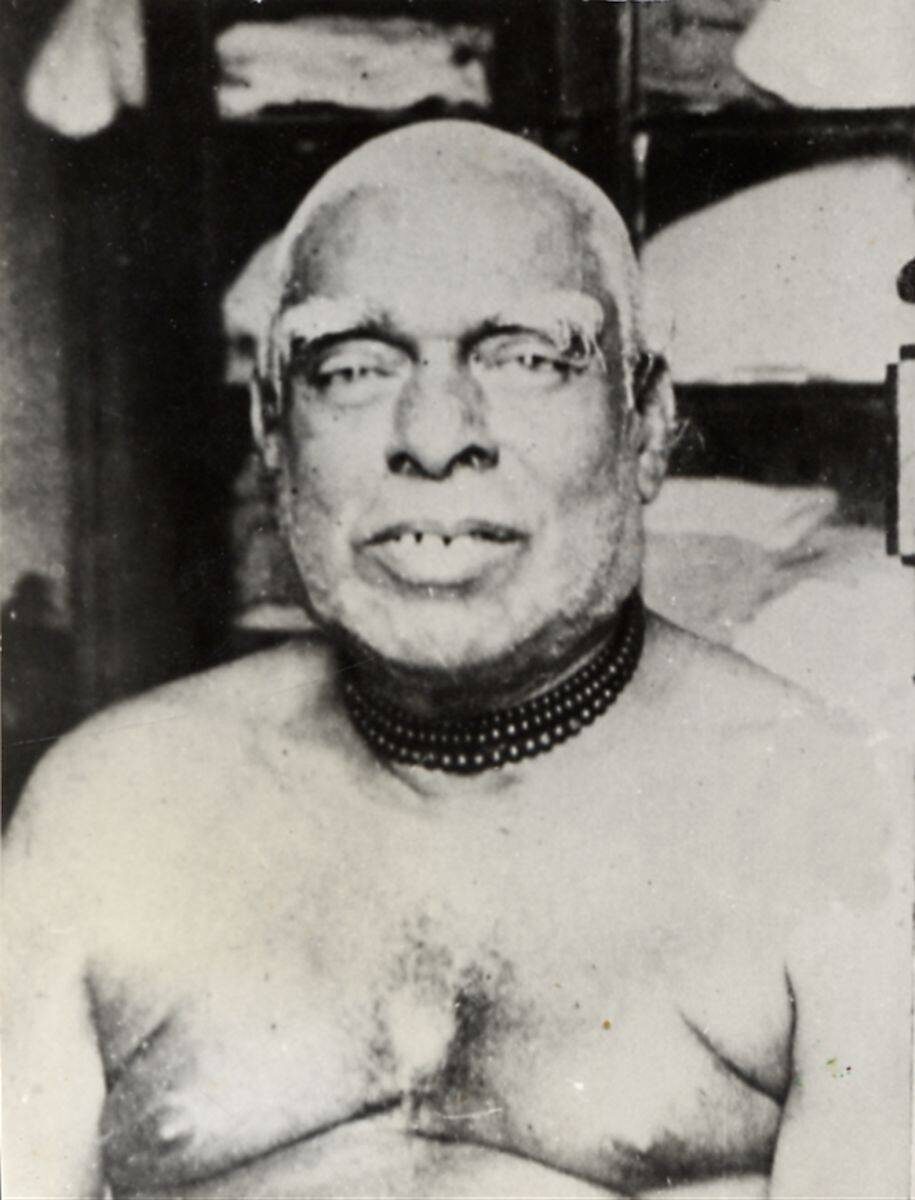
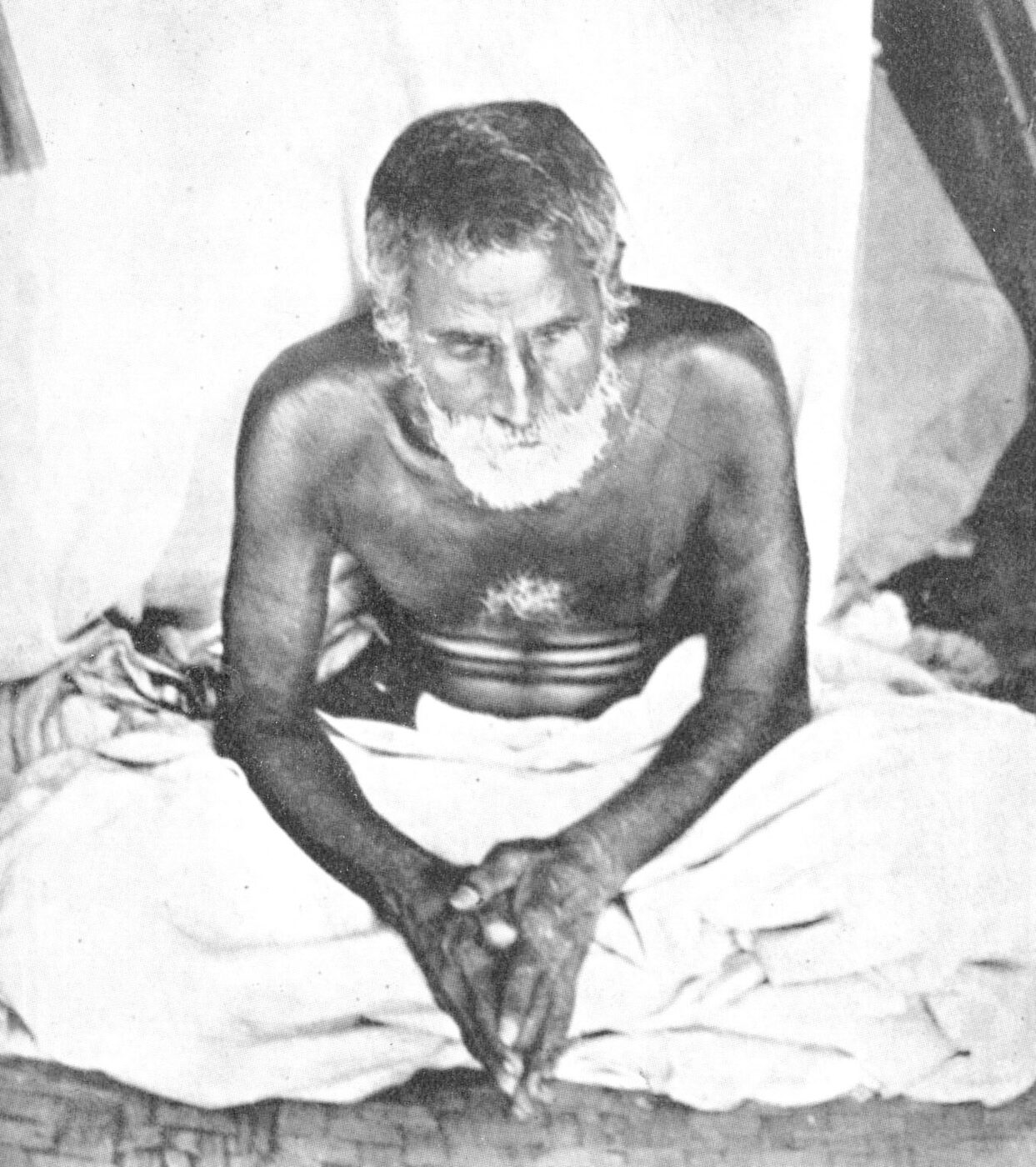
His Divine Grace A.C. Bhaktivedanta Swami Prabhupada (1896-1977) is the founder-acharya of the International Society for Krishna Consciousness (ISKCON) and, for the Hare Krishna Movement Kota and this temple, the acharya of the present age — the teacher through whom the Brahma-Madhva-Gaudiya sampradaya reached every continent of the world within a single lifetime. Where Sri Chaitanya Mahaprabhu inaugurated the sankirtana movement in sixteenth-century Bengal, Srila Prabhupada is the one who, at an age when most people have long retired, carried that same movement by cargo ship to America and, in under twelve years, established over a hundred temples on six continents.
This page gives the outline of his life; the sections below expand each stage in full, and this site's older pages on his biography and mission, his twenty-six qualities as a pure devotee, a year-by-year milestone timeline, our sampradaya and his pre-1978 books remain in place and are linked from the relevant sections below.
Birth and Family #
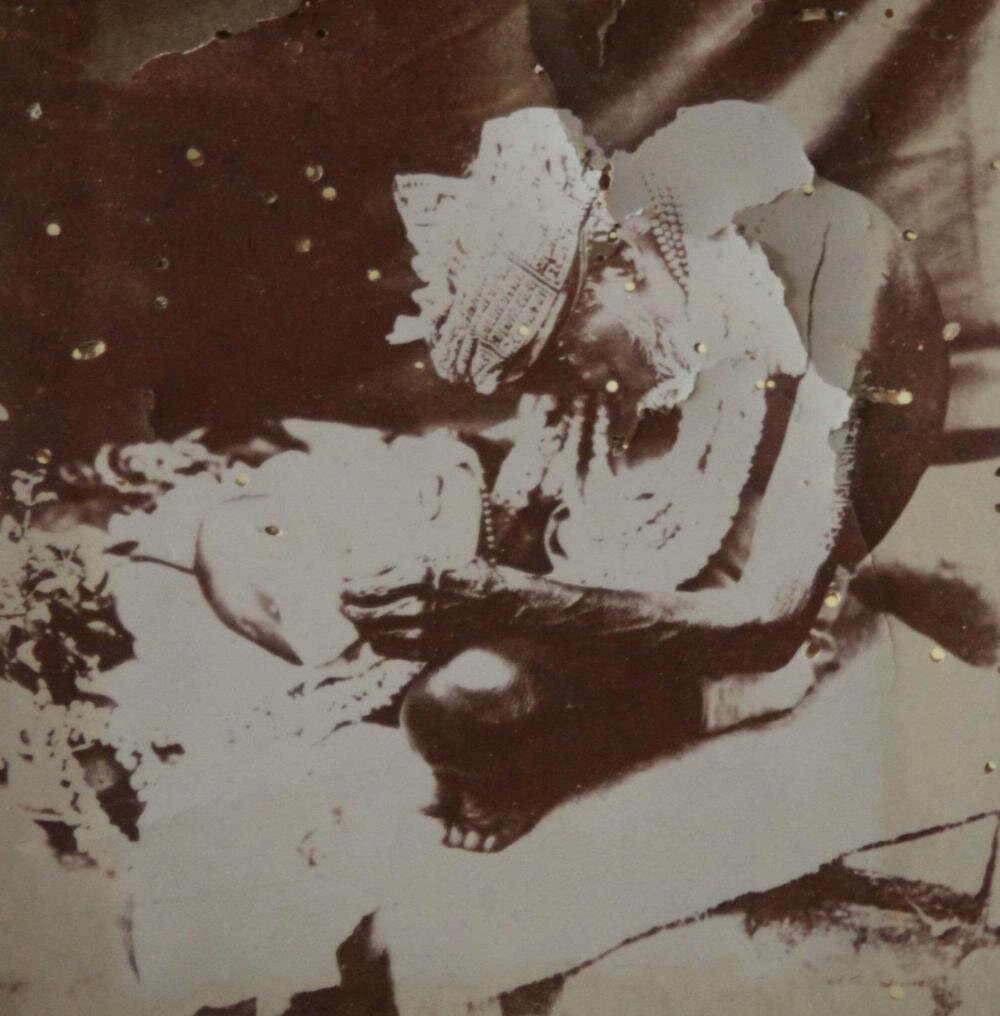
He was born Abhay Charan De on 1 September 1896 in Calcutta, the day after Janmashtami, to Gour Mohan De, a modest cloth merchant of devout Gaudiya Vaishnava conviction, and his wife Rajani. An astrologer consulted at his birth predicted that at the age of seventy he would cross the ocean, become a renowned religious teacher, and open one hundred and eight temples — a prediction the family kept and which the movement's own historians now cite as uncannily precise. The full account of his birth and childhood is told separately, including the miniature Ratha-yatra cart he built at the age of six, decades before he brought the real festival to the streets of San Francisco.
Education and the Meeting That Set His Life's Direction #
Abhay studied at Scottish Church College, Calcutta, graduating in 1920 with English, philosophy and economics — and refused, in sympathy with Gandhi's non-cooperation movement, to accept his diploma in person. His education and the influences of that period are covered here. In 1918, while still a student, he was married by his father's arrangement to Radharani Datta; their household life together, and the five children born to them, are described on their own page.
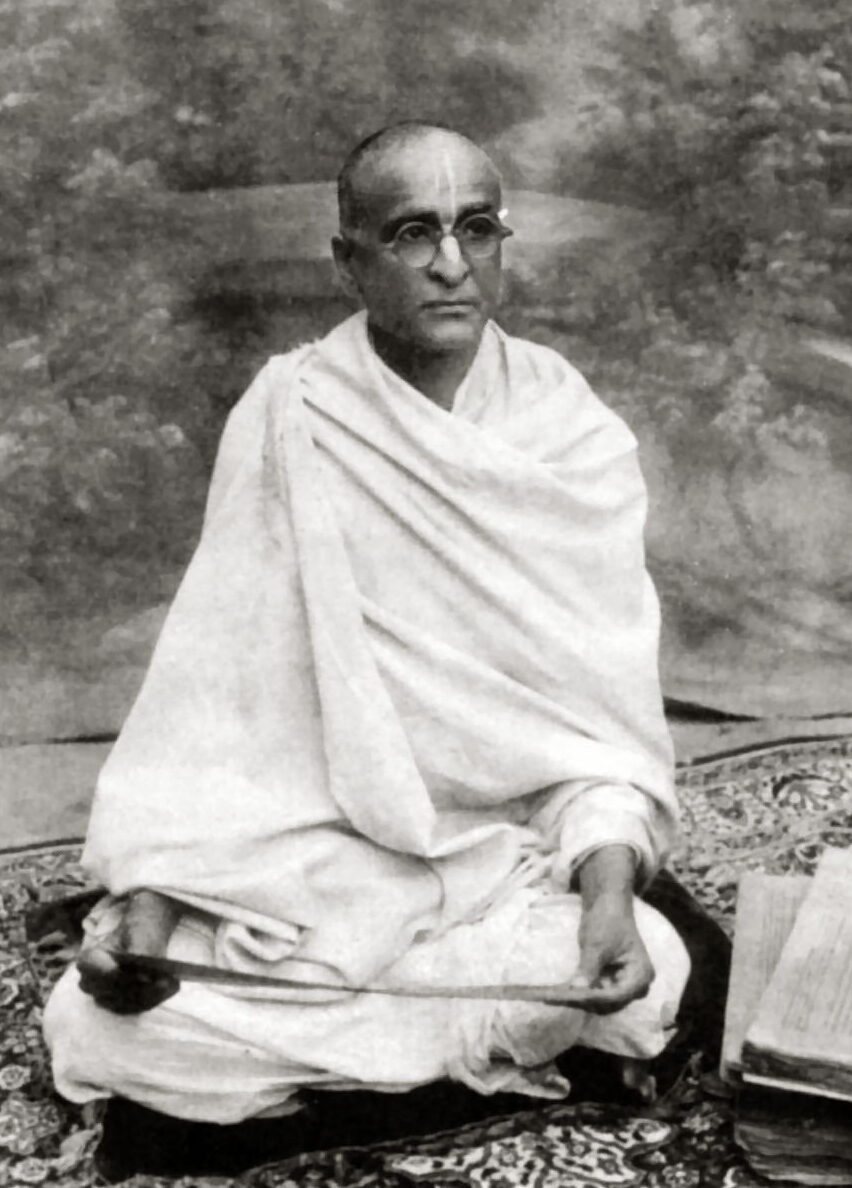
The decisive event of his life took place in 1922, when a college friend brought him to meet Srila Bhaktisiddhanta Sarasvati Thakura, the founder of the Gaudiya Math. Told to take Chaitanya Mahaprabhu's message and preach it in English, the young Abhay objected that India needed political independence first — and was so completely answered that he later wrote, "I immediately accepted him as spiritual master. Not formally, but in my heart." That meeting, and the instruction that would direct the rest of his life, is told in full here, together with the specific order to preach in English that followed it.
The Gaudiya Math Years #
Formal initiation came a decade later, in 1933 at Allahabad, and for the following years Abhay balanced business, family and an increasing involvement with the Gaudiya Math — donating, lecturing, writing, and carrying his spiritual master's instruction, given at their last meeting, that "if you ever get money, print books." The Gaudiya Math years, the title Bhaktivedanta conferred on him in 1939, and his spiritual master's final letter are covered here. In 1944, entirely alone, he launched an English fortnightly magazine, Back to Godhead, writing, editing, financing and hand-distributing it himself; the founding of that magazine, still published today, is its own story.
Renunciation and the Years of Writing #
In 1950 he accepted vanaprastha, the retired order of life, and moved to Vrindavan, living simply and beginning the translation of the Srimad-Bhagavatam from Sanskrit. Those years of vanaprastha and translation, culminating in the first printed volumes, are told here. In 1959, prompted by a dream of his spiritual master, he accepted the sannyasa order at Mathura and became A.C. Bhaktivedanta Swami; his acceptance of sannyasa is described in full.
The Voyage to America #
At sixty-nine, carrying forty rupees, a trunk of his own books, and little else, he boarded the cargo ship Jaladuta at Calcutta on 13 August 1965. He suffered two heart attacks during the thirty-five day crossing and later wrote in his diary of passing "a great crisis on the struggle for life and death." He arrived at Boston Harbor on 17 September 1965. The full account of that voyage — including what he wrote in his diary at sea — is told here, and the difficult first year in New York that followed, living in a windowless room and a Bowery loft before the storefront at 26 Second Avenue, is told here.
Founding ISKCON and Building a Global Movement #
In July 1966 he incorporated the International Society for Krishna Consciousness in New York. The founding of ISKCON, and the first disciples who gathered around him in that single storefront, are described here. Within a decade he had personally circled the globe more than a dozen times, opening temples across the Americas, Europe, Africa and Asia, meeting George Harrison and the Beatles, publishing dozens of books through the Bhaktivedanta Book Trust he founded in 1972, and establishing major temples at Mayapur and Vrindavan. That worldwide expansion is covered in detail here.
His Personality, in His Own Words #
Those who knew him describe a teacher of exacting scholarship and unyielding standards who was, in the next breath, capable of real tenderness and a dry, quick wit. A selection of his recorded conversations and the personal qualities they reveal is gathered here — complementing, rather than repeating, this site's existing treatise on his twenty-six qualities as a pure devotee.
Final Days and Legacy #
He died at the Krishna-Balaram Mandir in Vrindavan on 14 November 1977, at the age of eighty-one, having established a Governing Body Commission in 1970 to carry the movement forward and having appointed senior disciples to continue initiating on his behalf. His final months, last instructions and disappearance are told here. What he left behind — a lineage now spanning nearly a hundred initiating gurus in succession from him, temples on every continent, and his own books translated into dozens of languages — is the reason this temple, and this website, exist at all.
Songs in the Vaishnava Song Book #
This site's own Vaishnava Song Book carries 32 songs attributed to Srila Prabhupada — see the full author page here.
Frequently asked
When was Srila Prabhupada born?
Srila Prabhupada appeared 1 September 1896 in Calcutta, Bengal Presidency, British India.
Who was the guru of Srila Prabhupada?
The spiritual master of Srila Prabhupada was Srila Bhaktisiddhanta Sarasvati Thakura.
When and where did Srila Prabhupada disappear?
Srila Prabhupada disappeared 14 November 1977, at the age of 81 at Krishna-Balaram Mandir, Vrindavan, India.
What are the main pastimes of Srila Prabhupada?
Dedicated pages on this site cover: Birth and Childhood, Education and Early Influences, Marriage and Household Life, Meeting His Spiritual Master, The Order to Preach in English, Launching Back to Godhead, Vanaprastha and Writing Srimad-Bhagavatam, Accepting Sannyasa, The Voyage to America, Struggling in New York City, Founding ISKCON, Building a Global Movement, Conversations and Personal Qualities, Final Days and Disappearance, Legacy and the Movement Today.