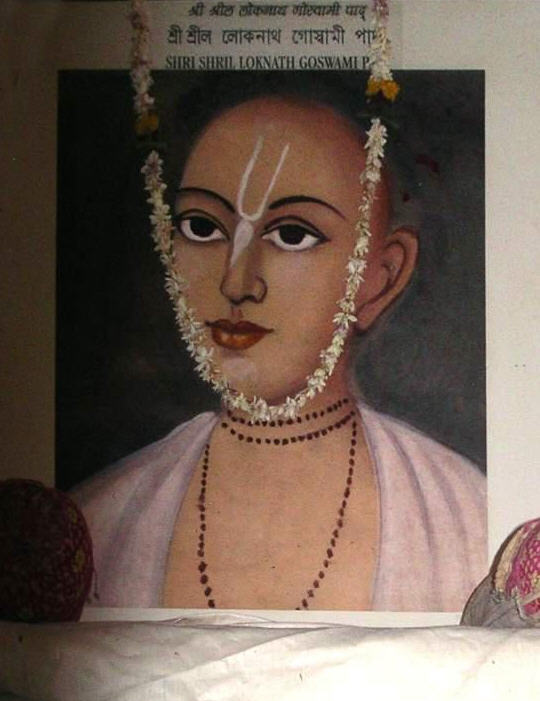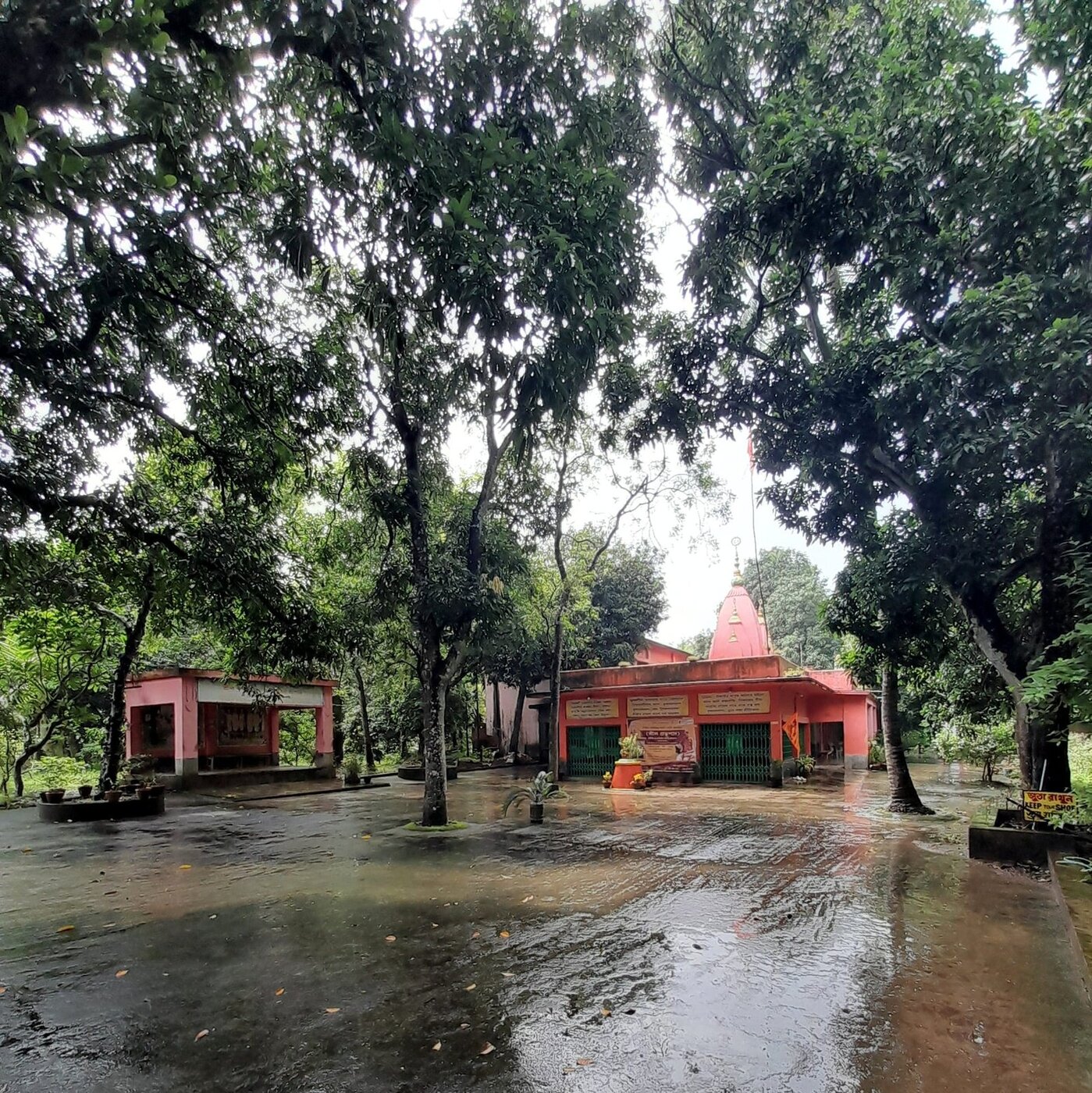
Srila Vasudeva Datta Thakura
Mahaprabhu's Most Confidential Servant
Also known as Vasudeva Datta Thakura, Vasudeva Datta Thakur, Vasudeva Dutta, Vāsudeva Datta
“My dear Lord, let me suffer perpetually in a hellish condition, accepting all the sinful reactions of all living entities. Please finish their diseased material life.”
His prayer to Sri Chaitanya Mahaprabhu at Jagannatha Puri — Chaitanya-charitamrita, Madhya-lila 15.163
Two brothers from a family of Ambastha physicians in Chittagong, at the eastern edge of Bengal, came to stand very close to the heart of Sri Chaitanya Mahaprabhu's own life. One of them, Mukunda Datta, was the Lord's childhood classmate and one of His earliest singers. The elder brother, Vasudeva Datta, is remembered for something with no real parallel anywhere else in the whole of Sri Chaitanya-charitamrita. Three separate times, in front of His own assembled devotees, Mahaprabhu declared that His body belonged to Vasudeva Datta and to no one else. Krishnadasa Kaviraja Goswami calls him the nineteenth branch of the Chaitanya tree and says that a thousand mouths could not finish praising his good qualities.
| Detail | Description |
|---|---|
| Native district | Chittagong, Bengal (exact village disputed between sources) |
| Family | Ambastha physicians, surname Datta |
| Younger brother | Mukunda Datta, Mahaprabhu's childhood classmate and singer |
| Vraja identity | Madhuvrata, per Kavi Karnapura's Gaura-ganoddesha-dipika |
| Remembered for | Praying to bear the sins of every living being; Mahaprabhu's three-fold vow over his body |
| Temple founded | Madana-gopala temple, Mamagachi, near Navadvipa |
| Guru | Not recorded in any source |
A Physician's Family in Chittagong #
Sri Chaitanya-charitamrita introduces Vasudeva Datta simply as the brother of Mukunda Datta and a resident of Chittagong district. It does not linger on his childhood the way it sometimes does for other associates. A later compiled biography says the Datta family were Ambastha physicians and names their native village as Chakrashala. Srila Prabhupada's purport on Mukunda Datta's own verse gives a different village, Chanhara, under the Patiya police station. Neither source settles the disagreement. But both agree on the district, the family trade, and the fact that Vasudeva was the elder of the two brothers, which is enough to place him clearly. The fuller picture of that household is told in Mukunda Datta's own birth story. The Birth and Family in Chittagong page looks closely at what belongs distinctly to Vasudeva.
Whatever his exact village, Vasudeva Datta arrived at Navadvipa a wealthy man. He gave that wealth away so freely that Mahaprabhu had to step in. Srila Prabhupada's purport records that the Lord asked Shivananda Sena to act as Vasudeva Datta's sarkhel, or manager, just to keep his generosity from running past what his household could bear. It is a small, homely detail, but it says as much about him as any of his more famous prayers.
The Prayer That Asked for Hell #
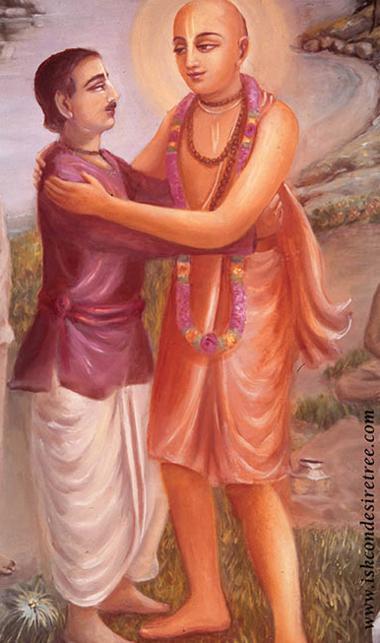
One year, during the annual gathering of Bengali devotees at Jagannatha Puri, as Mahaprabhu got ready to send the visiting Vaishnavas home again, Vasudeva Datta could not bear what he saw. He begged the Lord to place upon himself the sinful reactions of every living being in the universe, and to let him suffer in hell forever, if it meant the rest of creation could go free. Sri Chaitanya-charitamrita records that the Lord's own eyes filled with tears on hearing this. Srila Prabhupada's purport calls Vasudeva Datta, for this one prayer alone, millions of times more compassionate than any other example of taking on another's suffering found anywhere in religious literature. Mahaprabhu's own reply went further still. He told Vasudeva Datta plainly that such a prayer was no surprise, because he was the incarnation of Prahlada Maharaja, the Bhagavatam's own model of a devotee's compassion for suffering souls (Chaitanya-charitamrita, Madhya-lila 15.165). The full account is told in The Vow to Take on the World's Sins.
"This Body of Mine Belongs to Vasudeva" #
The Lord's affection for him shows up elsewhere too, in a smaller but equally telling moment. When the Bengali devotees arrived at Puri one year for their annual visit, Mahaprabhu greeted Vasudeva Datta by placing His hand on his body. He told him, in front of everyone, that although Mukunda Datta had been His friend since childhood, seeing Vasudeva gave Him even greater happiness. It was a striking thing to say about the very friend Mahaprabhu had grown up with, and it was only a preview of what came next. On another occasion, at Srivasa Pandita's house, Mahaprabhu went further still. Not once, but three separate times, so that no one could later doubt it, He announced that His own body existed only to please Vasudeva Datta, and that Vasudeva could sell it if he wished. It is among the boldest statements of divine surrender to a devotee's love found anywhere in the Gaudiya Vaishnava canon. Mahaprabhu's Three-Fold Vow looks closely at what was said, why it was said three times, and what Vaishnava teachers have made of it since.
A Deity Still Worshiped at Mamagachi #
Vasudeva Datta's devotion did not end with words. He established a Deity of Madana-gopala at Mamagachi, a village near Navadvipa that is also the birthplace of Vrindavana Dasa Thakura, author of Sri Chaitanya-bhagavata. Centuries later, when Srila Bhaktisiddhanta Sarasvati Thakura began the annual Navadvipa-parikrama, Mamagachi became one of its regular stops. Gaudiya Matha devotees still maintain the temple today. The Madana-gopala Temple at Mamagachi tells that story in full.
Madhuvrata of Vraja, and a Legacy Without a Date #
No source records the year Vasudeva Datta was born, and none records the year or place of his disappearance. What survives instead is a name from beyond this single lifetime. Kavi Karnapura's Gaura-ganoddesha-dipika identifies Vasudeva Datta, in Krishna's own Vraja pastimes, as the singer Madhuvrata, paired with his brother Mukunda's identity as Madhukantha. He is also remembered through a documented, though not always precisely worded, connection to Raghunatha Dasa Goswami through the priest Yadunandana Acharya. Disappearance and Legacy examines that connection carefully, including two of Krishnadasa Kaviraja Goswami's own verses that draw a finer distinction than a short summary might suggest.
Scriptural evidence
vasudeva datta — prabhura bhrtya mahasaya\nsahasra-mukhe yanra guna kahile na haya
Word for word
vasudeva datta — Vasudeva Datta; prabhura — of the Lord; bhrtya — the servant; mahasaya — great personality; sahasra-mukhe — with a thousand mouths; yanra — whose; guna — qualities; kahile — if described; na haya — is not possible
Vasudeva Datta, the nineteenth branch of the Sri Caitanya tree, was a great personality and a most confidential devotee of the Lord. One could not describe his qualities even with thousands of mouths.
From the purport: Purport excerpt: "Vasudeva Datta initiated Sri Yadunandana Acarya, the spiritual master of Raghunatha dasa, who later became Raghunatha dasa Gosvami."
The introductory verse naming Vasudeva Datta among the branches of the Chaitanya tree; its purport is the main source for the three-fold vow, the Mamagachi temple, and the Yadunandana Acharya connection discussed across this page's pastime pages.
Frequently asked
When was Srila Vasudeva Datta Thakura born?
Srila Vasudeva Datta Thakura appeared Year not recorded in Chittagong district, Bengal (exact village disputed).
When and where did Srila Vasudeva Datta Thakura disappear?
Srila Vasudeva Datta Thakura disappeared Year not recorded at Not recorded.
What are the main pastimes of Srila Vasudeva Datta Thakura?
The pastimes covered here include: Birth and Family in Chittagong, The Vow to Take on the World's Sins, Mahaprabhu's Three-Fold Vow, The Madana-gopala Temple at Mamagachi, Disappearance and Legacy.